
Students will be able to
- describe the role of public health in dealing with a special population, the senior citizens
- describe the criteria for labeling a person aged
- describe the elements of aging
- describe governmental agencies responsible for assisting/ measuring aging
- describe non governmental agencies who assist aging persons.
- describe how ageing can be expected to affect public health services over the next 25 years.
Key Words
Aging, aged, seniors, nursing homes, homes for the aged, retirement centers, senior citizens advocacy, home visiting, senior centers, mental health and aging, Alzheimer's diseases, Parkinson's disease, Osteoporosis, chronic diseases.
Concept:
Aging starts at birth. Getting older is not necessarily accompanied by significant declines in either physical or mental function. There are many resources available to assist people as they age. Misunderstanding and lack of knowledge is the greatest detriment to health maintenance while aging.
References:
Schneider 4th Edn: Introduction to Public Health - Chapter 29
Consider The UK definition of aging, the second heading on the page - Ageing and the Life Course.
People in the United States are living longer and healthier lives FastestGrowing. Review pages 12 - 22 of the IOM's Health Aging review. Also review this material on Healthy Aging from the WHO
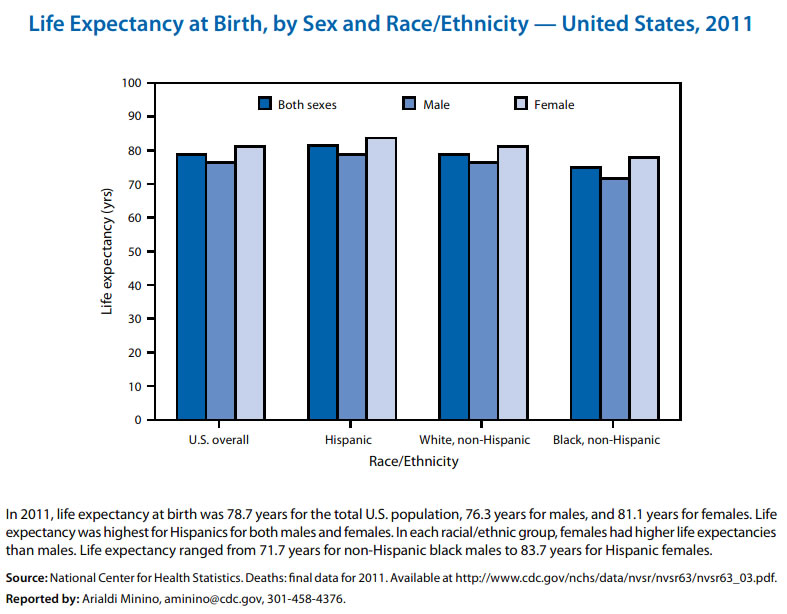
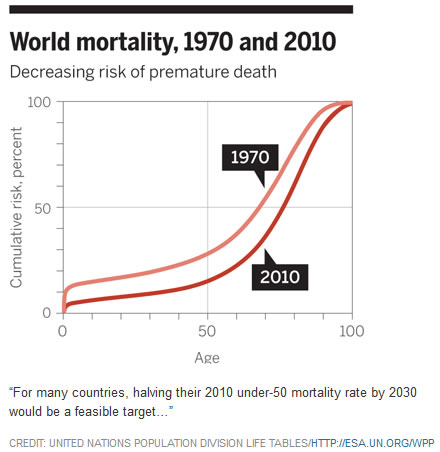
Review these three recent articles from "Science" Article 1, Article 2, Article 3.
• The social and economic implications of the aging of the Baby Boom generation will be a significant concern for policy makers, the private sector, and individuals. The size and longevity of this group will trigger debate about possible modifications to Social Security, Medicare, and disability and retirement benefits, among other issues. What is happening to the population pyramid. Look at how longevity is affecting social policy, is this likely to affect public health policy, if so how?
• The changing marital and family composition that is occurring in the United States is likely to change the types of familial support that are available to people at older ages.
• The future older population is likely to be better educated than the current older population, especially when Baby Boomers start reaching age 65. Their increased levels of education may accompany better health, higher incomes, and more wealth, and consequently higher standards of living in retirement.
• Older women will be increasingly more likely to have been in the labor force long enough to have their own retirement income, although their lower median earnings may translate into lower incomes in retirement.
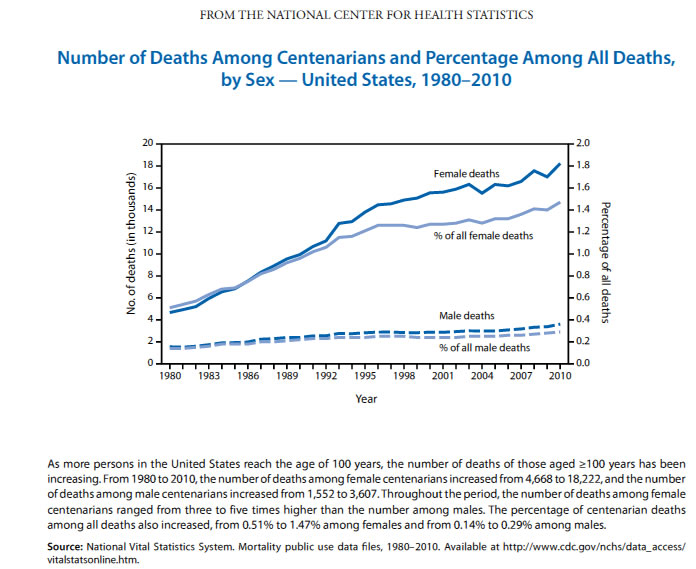
• Research on genetic, biological, and physiological aspects of aging is likely to change the future for the older population. In the medical and public health arenas, research to understand chronic diseases, such as diabetes and Alzheimer’s disease, may produce significant improvements for treatment and prevention.
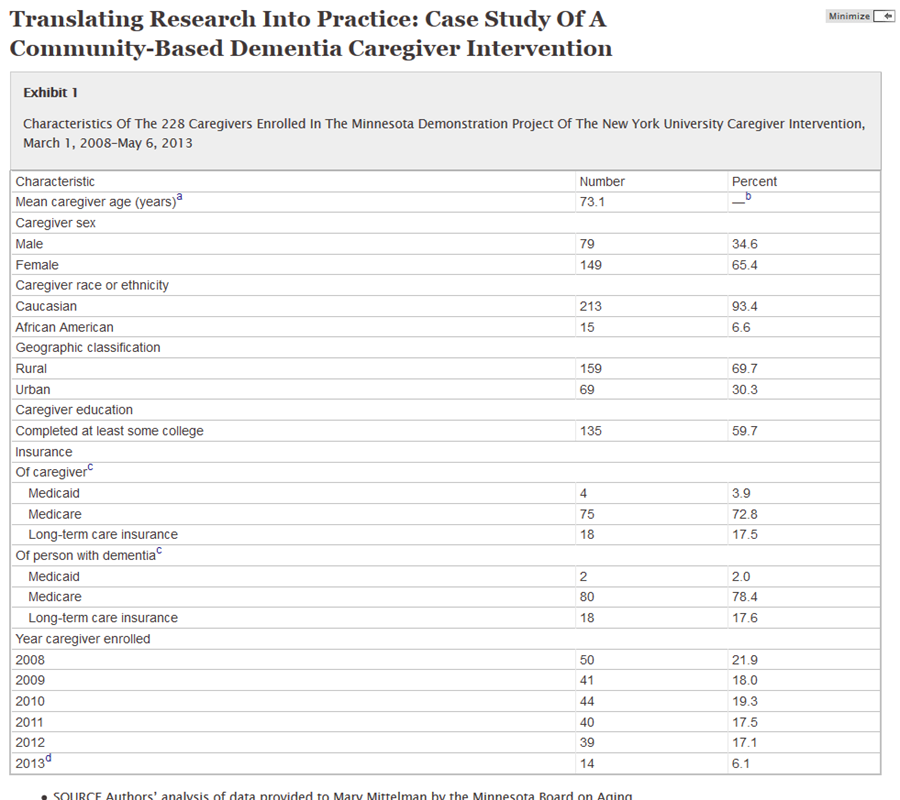
Think about Long term care: Early planning pays off as the population ages and its ramifications. Have you ever been in a nursing home? Would you want to be placed in one? For those patients not in nursing homes, particularly Alzheimer patients you need to think about the characteristics of caregivers, specificaly famly members as opposed to home care staff:
New in June 2015 from JAMA, Summary of IOM report on Cognition, and new thoughts about End Of Life care
.
Review Dr Cotter's: Slides (Look at these in standard ppt view so you can see the 'notes;).
Clips from PBS Home Video - Living OLD (PBS Video_ The time stamps on the PBS On-Line video are not identical to those on the DVD. Start each section and watch until you believe you understand the main point to be made and you should understand the clip contents. see timelines below. As you what these clips think about some the problems of funding mental health programs, particularly those associated with dementia.)
- Part 1-HOW do you viewthge "Living "Old" 2:00 - 5:00 mins.
- Increasing number of elderly- Living under supervision. 6.45 and 9:00 mins
- Scan part 2 and think about Public health responsibility for care of the elderly
- Part 3 Who cares for the elderly 00.00 - 3:00 and the nursing home environment (Warehousing the elderly)
- Part 4 Dying Old Feeling Well. 4:30 - 6:00, 8:10 - 1100
- Parts 5 & 6, dip into these and consider alternatives.
Then look at this PBS video about caring at the end of life
Scan the .pdf file CDC's State of Aging Report. You may also want to review this report from the National Association of State Units on Aging and compare its comments with those in the CDC report (pay particular attention to page 7( Note page Numbers are the page number of the PDF viewer), PH & aging; exhibit 3, page 8, exhibit 8, p 15; barriers to health p16; and discussion page 26-28), Also scan The introduction from the IOM study, on Pages 12 & 13. A recent concern has been with Older Driver Safety, (AMA web site). In case you have difficulty accessing the Older Drivers Guide here is the First Chapter of the Guide. New thgs week from the AMA is a recommendation to prevent falls in the elderly
Addl. Readings,
PBS - Living Old Excerpts & Discussion, scan the Web Site and think about each of the four topics.
WHO - Ageing.
American dream: Live long and prosper
Care of the frail elderly
The Aging Network When on the web page select the "Tool & Resources" link for further information about the members of the network. think about how the aging network assists the local community and the role of community volunteers and assessing the aged. Does public health have a role in this social problem? Consaider the role of volunteers in the Aging Network and how important their participation is to making it work in the local community.,Also look at the National Alliance for Caregiving, particularly click on the about tab and look at the information and the link to the AARP and other groups caring for those disabled and confined to home particularly as part of the ageing population. Also scan the executive summary of the 2015 report on caregiving in the US to get a feel for how the members of this alliance link into the ageing network. Also note in figure 4 that majority kill Fay live in their own home, or in the caregivers home. Then look at figure 7 about activities of daily living as well as figure 9. Also think about how providing such care in packs the daily lives of the caregivers.Look at the research link, then look at the state and local coalitions link and click on the Virginia link minute out of VCU Centre for ageing.
Videos on the Future of Aging.
Editorial on Aging AJPH
Conquering old age (Editorial BMJ-July 08)
The Quality of Death: Ranking end-of-life care across the world, Also Teaching the End-of-Life care. Scan this artlcle from Health Affairs and think about whether this is what you want for your family.
Health Care at Home - Review the summary starting page 16.
Leadership needs for aging
Maltreament of the elderly - Read Executive Summary (pages 10-13)
Implementing the End of Life Care (The King's Trust, The UK Version of the KFF)
Enhancing Use of Clinical Preventive Services Among Older Adults – Closing the Gap(CDC , Office on Aging
Being Elderly is not a disease.
Choosing Hospice at Life's End, .
For those interested in pursuing this topic further I recommend "The Epidemiology of Aging", William A Satariano. James & Bartlett, 2006